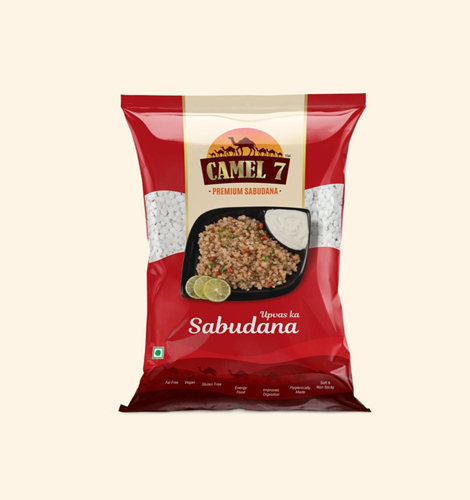
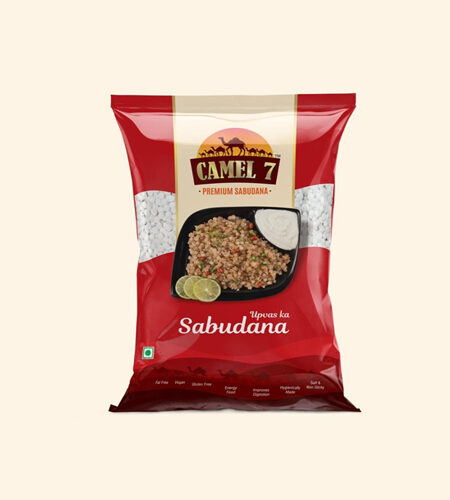
Sabudana (sago) is a versatile ingredient that is commonly used in Indian cuisine, especially during religious fasting periods.




Introduction
Sago, also known as tapioca pearls, is a versatile and nutritious food ingredient that has gained popularity worldwide. Derived from the starchy inner part of the sago palm tree, this translucent and spherical food product has been a staple in various cuisines for centuries. With its unique texture, subtle flavor, and numerous culinary applications, sago has become a beloved ingredient in desserts, beverages, and savory dishes across different cultures.
Read More
1. Origins and Production:
Sago has its roots in Southeast Asia, where it has been cultivated and consumed for generations. The sago palm tree, scientifically known as Metroxylon sagu, is native to tropical regions and thrives in areas with ample rainfall. The process of producing sago involves extracting the starch from the pith of the tree trunk and transforming it into small pearls through a meticulous process of washing, grinding, and sieving.
2. Culinary Uses:
a. Desserts: Sago is widely acclaimed for its ability to add texture and visual appeal to desserts. It is commonly used in puddings, custards, and sweet soups. When cooked, the small pearls turn translucent and acquire a delightfully chewy consistency, making them a popular addition to dishes like tapioca pudding, mango sago, and coconut milk-based desserts.
b. Beverages: Sago pearls are often found in refreshing and indulgent beverages. Bubble tea, a globally popular drink, features sago pearls as one of its key components. These pearls, often referred to as “boba,” provide a delightful burst of texture when sipped through a wide straw. Sago can also be added to fruit smoothies, milkshakes, and flavored iced teas, enhancing the overall experience.
c. Savory Dishes: While commonly associated with sweet dishes, sago is also used in savory preparations. In some cuisines, it is used as a thickening agent for soups, stews, and curries. Sago pearls absorb the flavors of the dishes they are cooked in, creating a unique and pleasing mouthfeel. Additionally, sago can be used to bind ingredients in dishes like veggie cutlets or as a gluten-free alternative to breadcrumbs for coating fried foods.
3. Nutritional Profile:
Sago pearls are predominantly composed of carbohydrates and provide a quick source of energy. They are gluten-free, making them suitable for individuals with celiac disease or gluten intolerance. While sago does not contain significant amounts of protein or essential vitamins and minerals, it is a low-fat food and can contribute to a well-balanced diet when consumed as part of a varied meal plan.
4. Culinary Tips:
When cooking with sago, it is essential to follow the instructions provided, as the cooking time may vary depending on the size of the pearls. It is typically boiled or simmered until the pearls turn translucent and achieve the desired consistency. Rinsing the sago pearls before cooking helps remove excess starch and prevents them from clumping together. It is worth noting that sago pearls should be stored in a cool and dry place to maintain their quality and extend their shelf life.
Conclusion: Sago, the versatile and nutritious tapioca pearl, adds a unique touch to a wide range of culinary creations. Whether you’re indulging in a creamy dessert, sipping on a refreshing bubble tea, or enjoying a savory dish, sago’s delightful texture and subtle flavor can elevate your dining experience. With its rich history and global popularity, sago continues to captivate food enthusiasts and serves as a testament to the creativity and diversity of cuisines around the world.
The nutritional values of sago can vary slightly depending on the brand and preparation method. However, here is a general overview of the nutritional composition of sago per 100 grams:
Calories: 351 kcal Carbohydrates: 87.9 grams
· Sugars: 0 grams
· Dietary Fiber: 0.9 grams Fat: 0.2 grams Protein: 0.2 grams Sodium: 2 milligrams Potassium: 3 milligrams Calcium: 10 milligrams Iron: 0.2 milligrams
It’s important to note that sago is primarily a source of carbohydrates and provides a quick source of energy. However, it is low in protein, fat, and essential vitamins and minerals. Therefore, it is typically consumed as part of a well-balanced meal to complement other nutrient-rich ingredients.
As with any food, portion size and the ingredients used in the preparation of sago dishes will affect the overall nutritional content. It is recommended to consume sago in moderation and combine it with other nutrient-dense foods to maintain a balanced diet.
Recipe
SABUDANA KHICHADI
One popular recipe using sabudana is Sabudana Khichdi, a flavorful and wholesome dish. Here’s a simple recipe to make Sabudana Khichdi:
Ingredients
- 1 cup sabudana (sago pearls)
- 2 medium-sized potatoes, peeled and diced
- 2 tablespoons oil or ghee (clarified butter)
- 1 teaspoon cumin seeds
- 1 green chili, finely chopped
- 1/4 cup roasted peanuts, coarsely ground
- 10-12 curry leaves
- 1/2 teaspoon turmeric powder
- Salt to taste
- Fresh coriander leaves for garnish (optional)
- Lemon wedges for serving (optional)
Instructions
- Rinse the sabudana under cold water until the water runs clear. Soak them in enough water to cover them completely for about 3-4 hours. Make sure the sabudana pearls are soaked well and become soft when pressed between your fingers. Drain any excess water.
- Heat oil or ghee in a pan or kadhai over medium heat. Add the cumin seeds and let them splutter.
- Add the chopped green chili, curry leaves, and diced potatoes to the pan. Sauté them until the potatoes turn golden brown and are cooked through.
- Add turmeric powder and salt to the pan and mix well.
Lower the heat and add the soaked and drained sabudana to the pan. Mix gently to combine all the ingredients. - Cook the mixture for about 5-7 minutes, stirring occasionally to prevent sticking. The sabudana pearls will turn translucent and become soft.
- Add the coarsely ground peanuts to the pan and mix well. Cook for another 2-3 minutes to allow the flavors to blend.
- Remove from heat and garnish with fresh coriander leaves (if desired).
- Serve the Sabudana Khichdi hot, optionally with a squeeze of lemon juice on top, which adds a tangy twist. Enjoy it as a breakfast dish or a light meal during fasting periods.
Note: You can customize the recipe by adding other ingredients like roasted cumin powder, grated coconut, or chopped vegetables like peas and carrots to enhance the flavor and texture of the Sabudana Khichdi. Adjust the spice levels according to your taste preferences.